Character database
Ironclad
Returning strength and exhaust baseline
Ironclad remains the cleanest returning-player starting point: high HP, direct damage scaling, and familiar exhaust decisions.
Direct scaling fighter
Low to medium
Relearning tempo, HP trading, and act routing
How to approach Ironclad
Use Ironclad as the control sample for the sequel. Returning players can compare old habits against new enemies, relic pacing, and card rewards without learning a new resource system first. The goal is not to force an old strength or exhaust deck immediately; the goal is to survive the early tempo checks, then let the run prove which package is actually open.
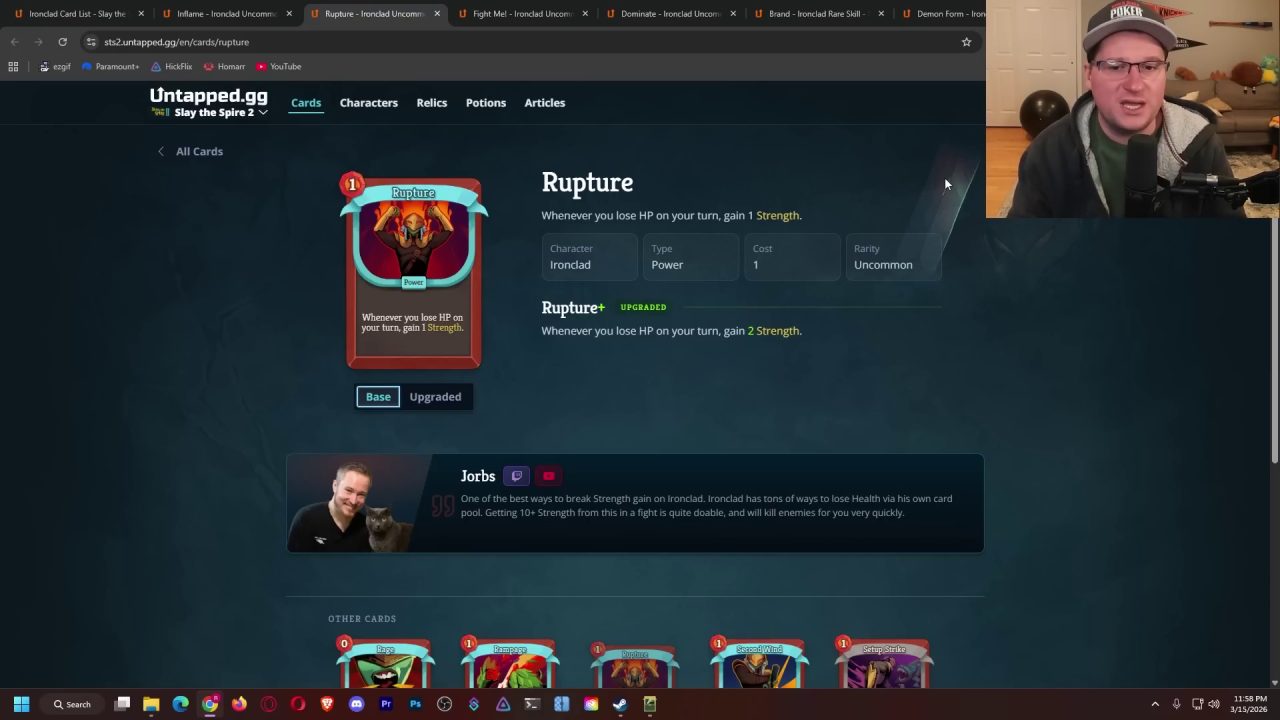
- Value reliable front-loaded attacks before chasing scaling.
- Track how often exhaust support actually appears in the current patch.
- Avoid taking too many slow powers before Act 1 damage checks are solved.
First-act draft priorities
Ironclad can usually afford to trade some HP, but HP is still a resource with a deadline. If the deck spends too much life before the first boss, even strong scaling cards become awkward because every bad draw forces a rest. Prioritize cards that make the next three fights cleaner before committing to a slow engine.
- Take early damage if it prevents longer fights and protects HP overall.
- Upgrade the card that changes the next elite or boss turn window.
- Treat sustain as permission to path aggressively, not permission to draft carelessly.
Card-library footage is useful for baseline rules
Card-library clips are useful when they create rules a returning player can apply in a live run. Ironclad rewards familiar instincts, but the sequel still asks whether the deck has enough front-loaded damage, block, and draw before a slower payoff is safe. Treat each card screen as a draft question, not a finished tier claim.
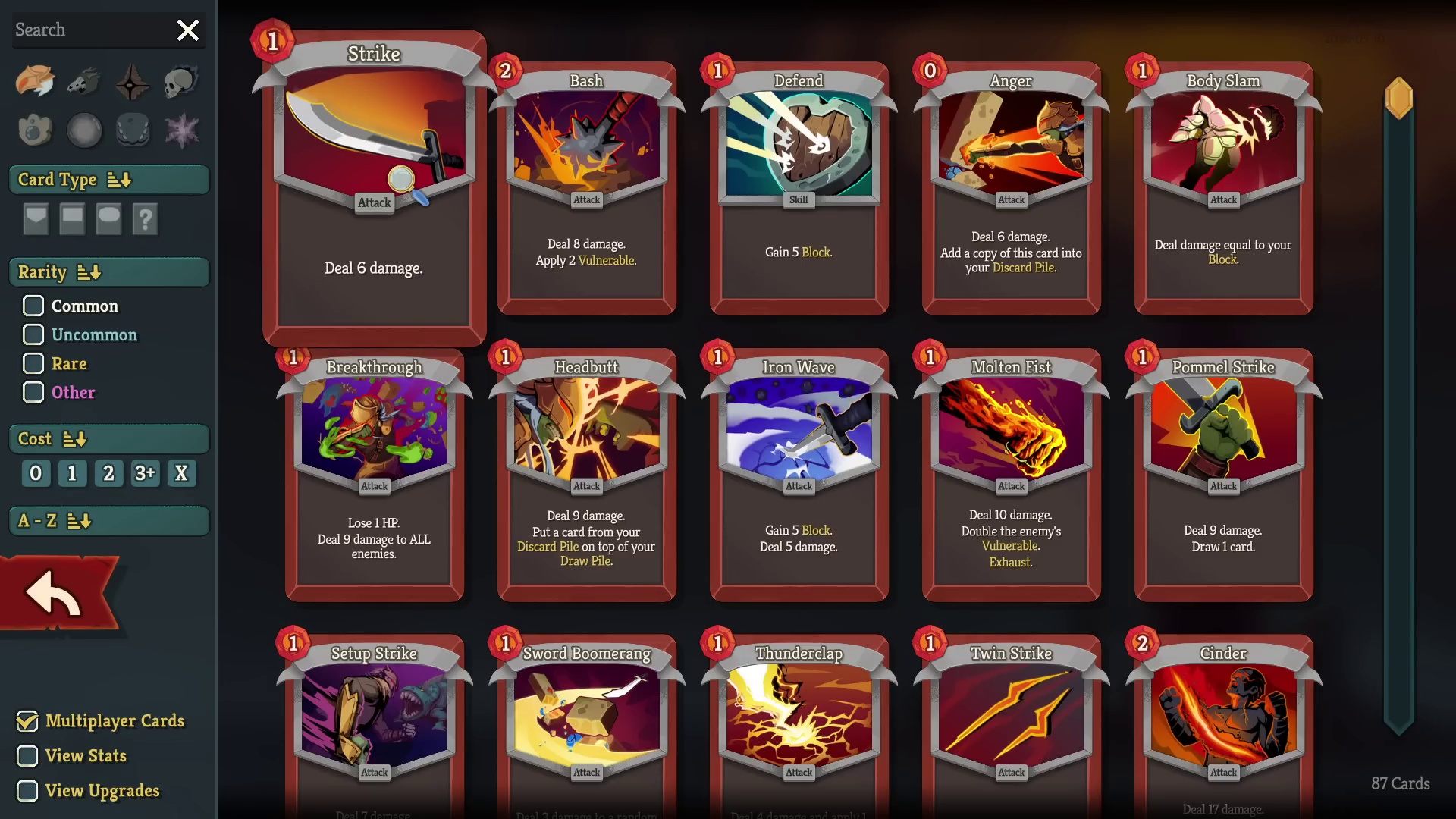
- Mark timestamps where a plain attack is better than a slower payoff.
- Collect upgrade examples that change the next elite or boss window.
- Keep exhaust and strength notes conditional until the support package appears.
Vulnerable packages need payoff timing
Vulnerable is strong only when the deck can spend the debuff window. If the hand applies Vulnerable but cannot draw or play enough attacks before the enemy turn cycle changes, the deck has spent a card without controlling the fight. Good Ironclad advice should show the turn where the damage actually lands.
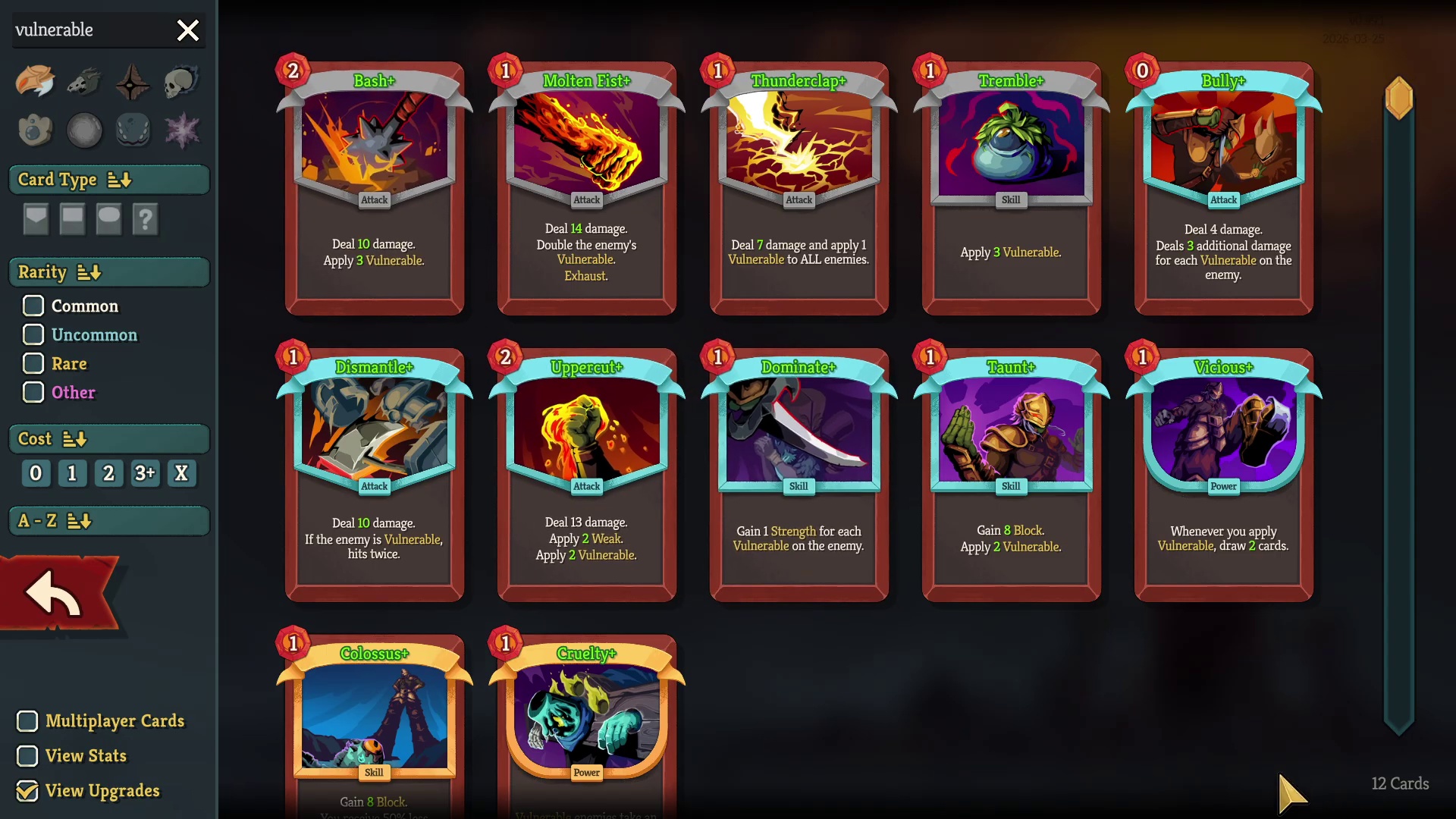
- Ask whether the deck has enough attacks before drafting more setup.
- Use upgrades that make the next Vulnerable window easier to convert.
- Prefer damage timing over abstract synergy language.
Do not be afraid of exhaust when the deck has a job
Exhaust is not automatically a risk. It becomes a risk when the deck has no plan after the exhausted cards leave. The useful Ironclad question is whether exhaust removes dead weight, creates a smaller high-quality loop, or accidentally deletes the only cards that handled the next boss pattern.

- Exhaust low-impact cards when the remaining deck has enough damage and block.
- Avoid exhaust plans that shrink the deck before draw and payoff are visible.
- Use mistake clips to write conditional rules instead of absolute warnings.
High-ascension footage should prove pressure
High-ascension Ironclad footage should be reviewed for pressure, not spectacle. The useful clips show how early enemies, elite routes, and card upgrades force the deck to solve immediate turns before it can chase a remembered strength, exhaust, or block package. Each screenshot should answer one question: what problem did this turn prove the deck could handle?
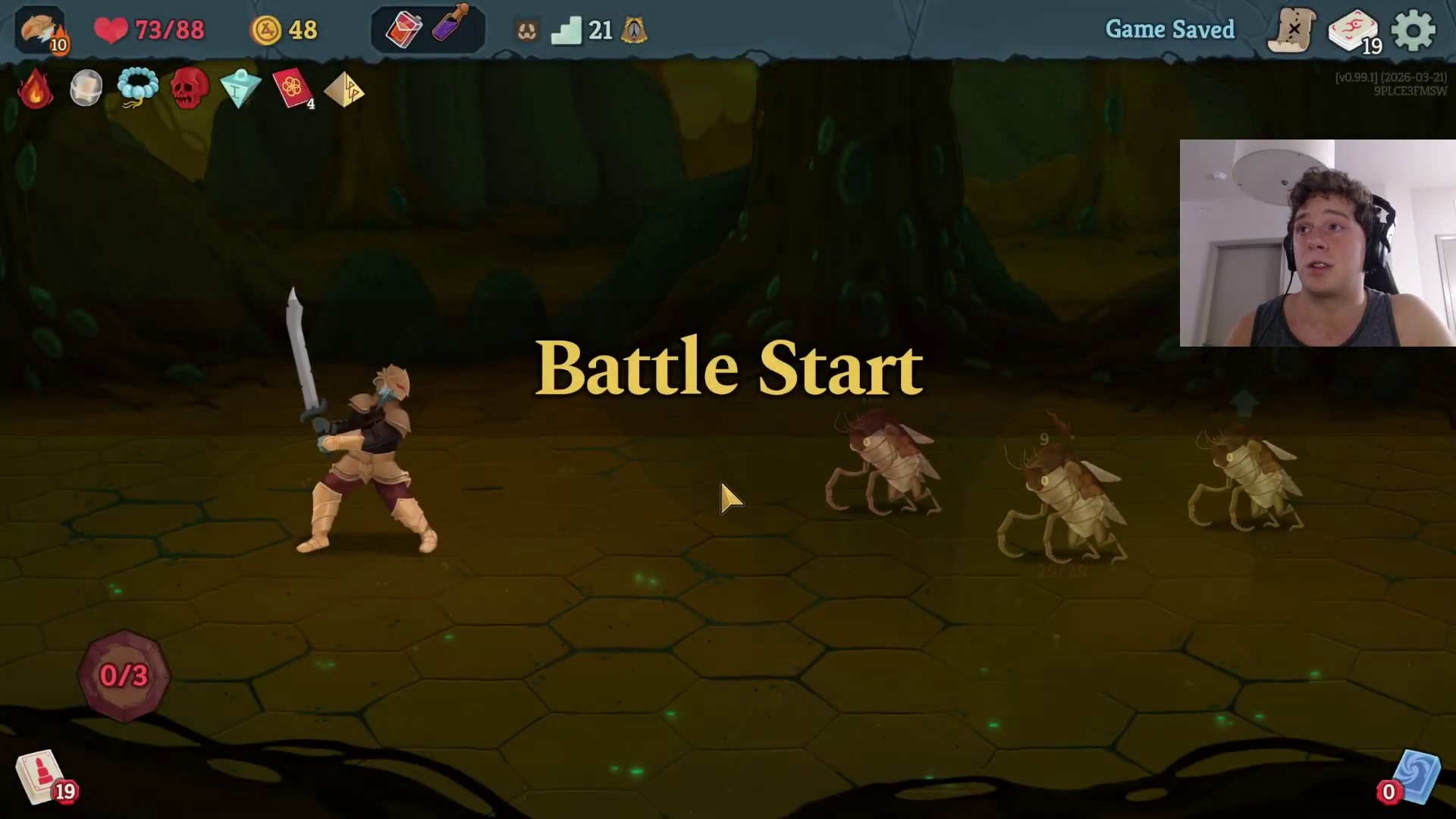
- Use opening fights to identify whether the deck has enough front-loaded tempo.
- Capture changed-card examples before treating old Ironclad advice as current.
- Route block-build clips into the dedicated Ironclad build guide when defense becomes damage.
Win-more advice should show the fight window
Run-improvement advice becomes useful when it shows the exact fight window being solved. For Ironclad, that usually means a turn where damage, block, Vulnerable, and card cost all compete for the same energy. The page should explain why the hand wins this turn, not just that the final run looked strong.
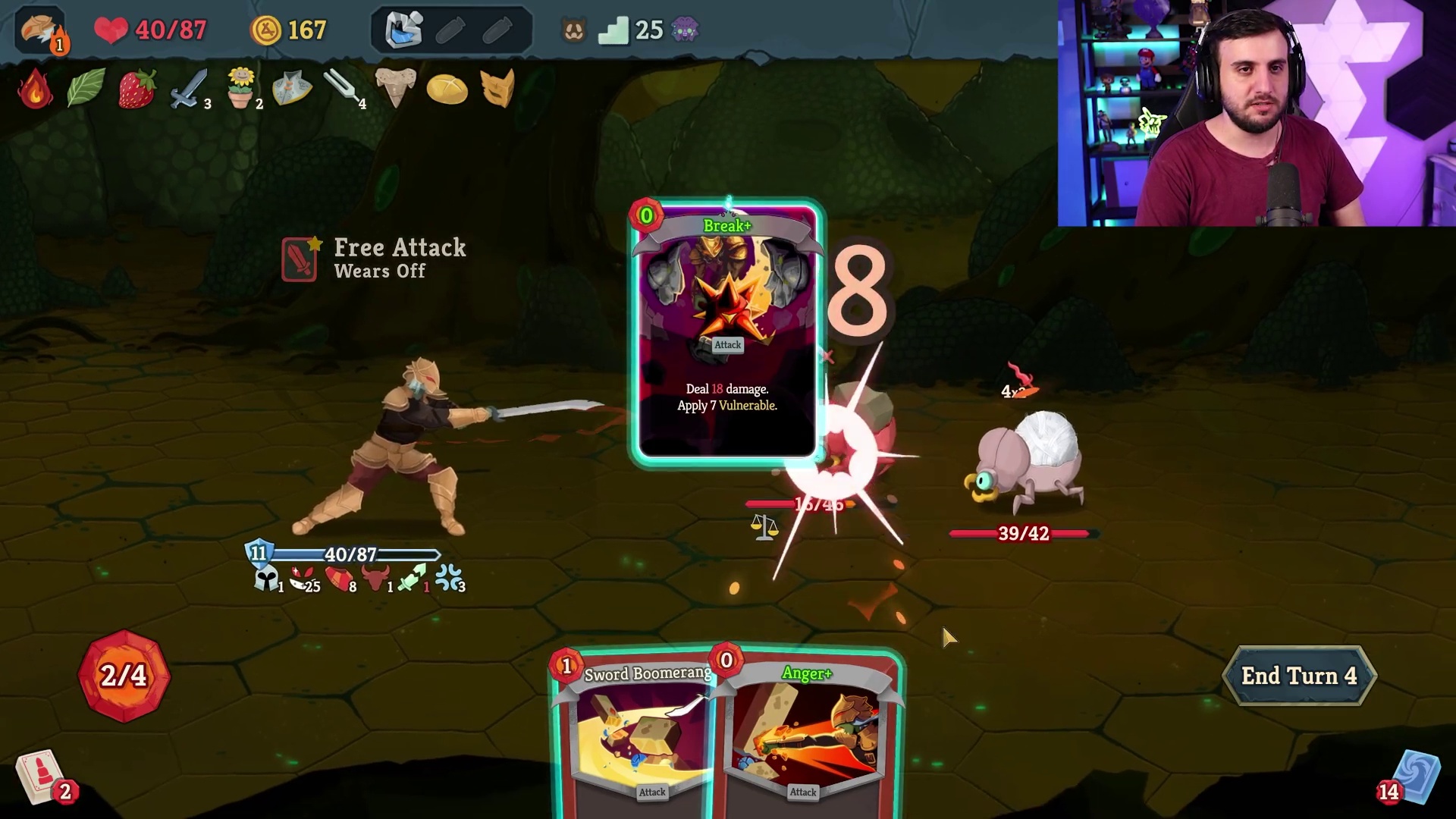
- Name the enemy timer the hand is answering.
- Separate useful tempo from overcommitting to damage.
- Record whether the deck won through cards, relics, or pathing support.
Block builds need damage conversion
A block build is not complete just because it survives. Ironclad needs a way to turn defense into a boss kill before long fights overwhelm the deck. Body Slam style payoffs, strength carryover, or reliable chip damage should be visible before the guide calls the package stable.
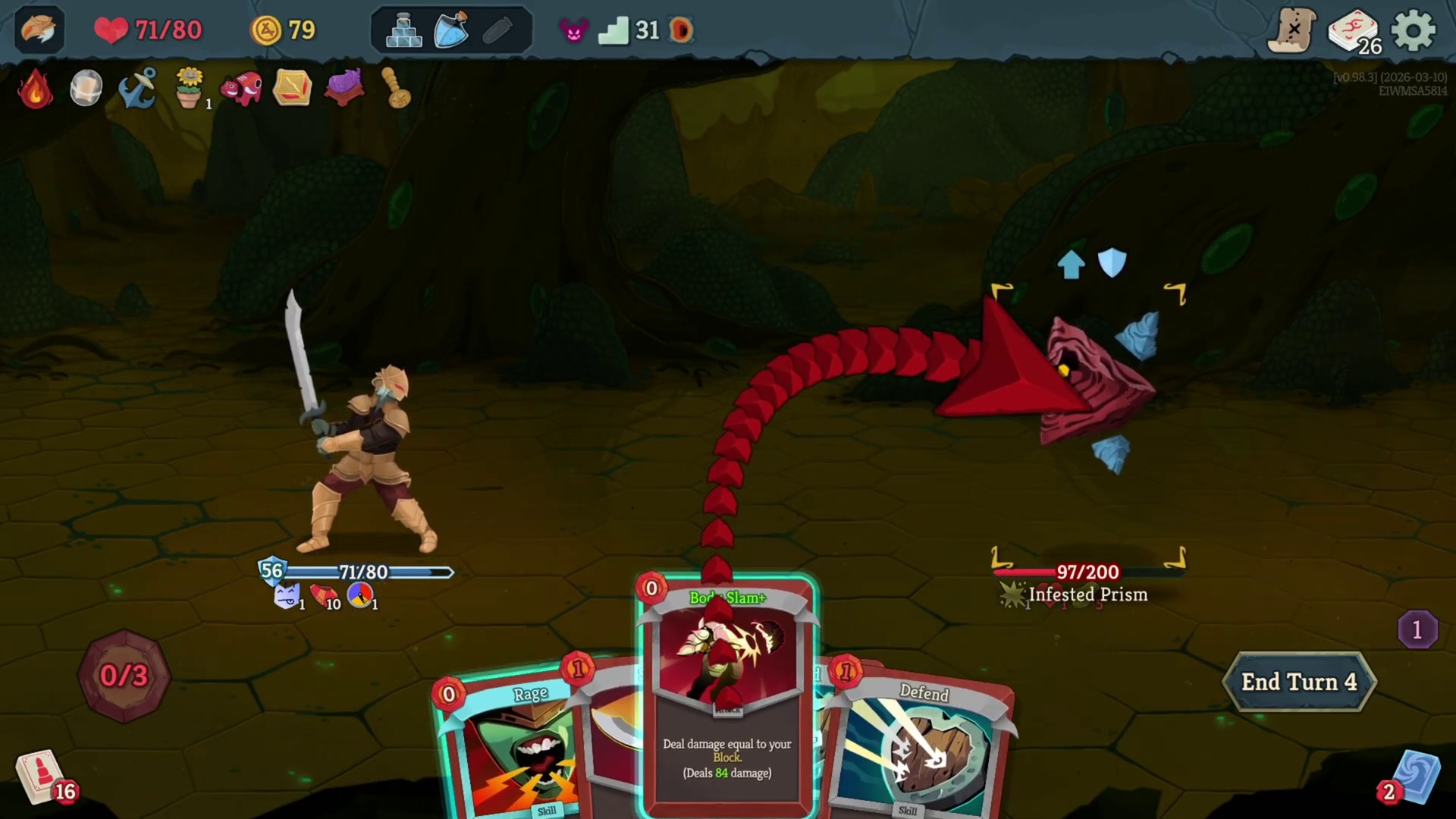
- Check whether block cards reduce damage now or only promise future scaling.
- Look for conversion cards before over-drafting defense.
- Route pure block clips into the build guide only when the finish is visible.
Perfected Strike asks for attack density, not nostalgia
Perfected Strike style decks should be judged by attack density and upgrade pressure, not by memories of the first game. If the deck cannot draw attacks fast enough or survive the turns before the payoff, the card becomes a label instead of a plan. The footage should show whether the surrounding cards make the payoff practical.
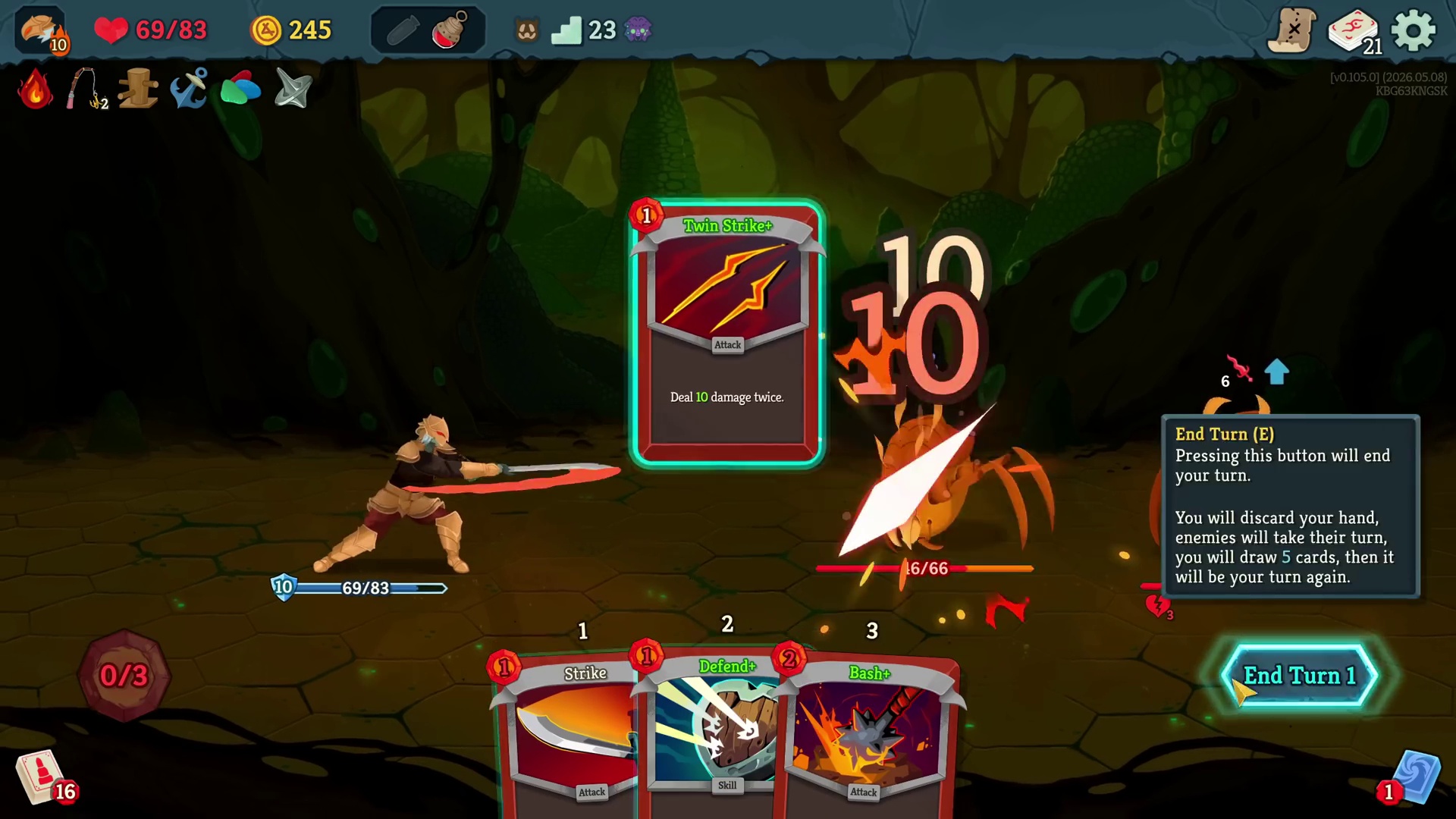
- Count attack density before calling the package open.
- Watch whether upgrades improve the payoff or only patch weak turns.
- Keep the recommendation conditional until route pressure is known.
High-cost attacks need route support
Bludgeon-style turns can erase dangerous enemies, but they also expose every energy and draw problem in the deck. A high-cost attack is safer when the route, relics, and surrounding cheap cards let Ironclad survive the turns when it is not drawn. The screenshot should prove the deck can carry the cost.
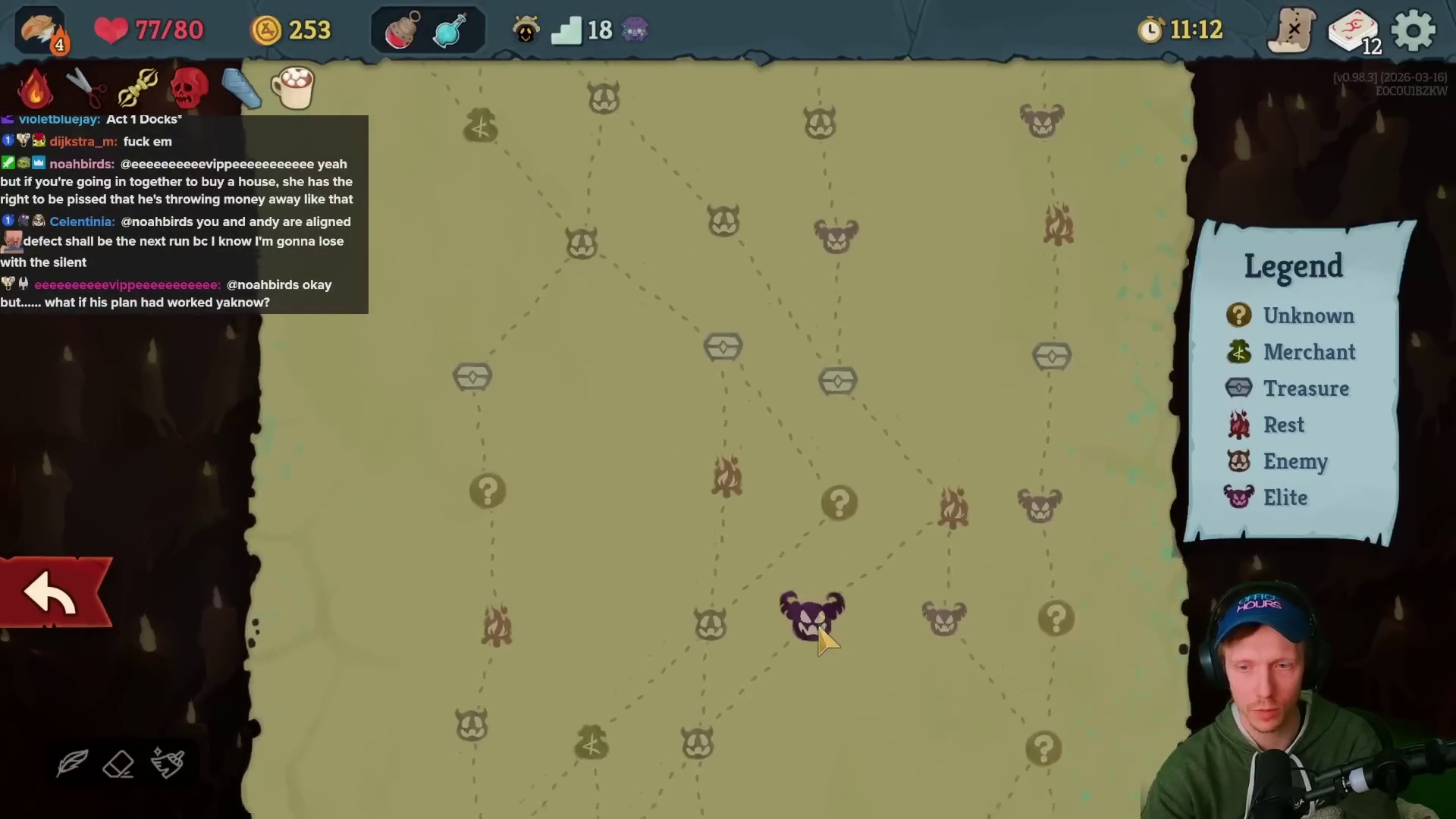
- Treat map pressure as part of the build, especially before elites.
- Pair expensive attacks with cheap block, draw, or energy support.
- Do not rank the card from a highlight turn alone.
Autobattler lines stay in the high-roll lane
Autobattler and infinite-style Ironclad clips are valuable, but they should be framed as high-roll evidence unless the setup appears consistently. The site should use those clips to document combo requirements, failure points, and patch risk rather than presenting them as the default route for returning players.
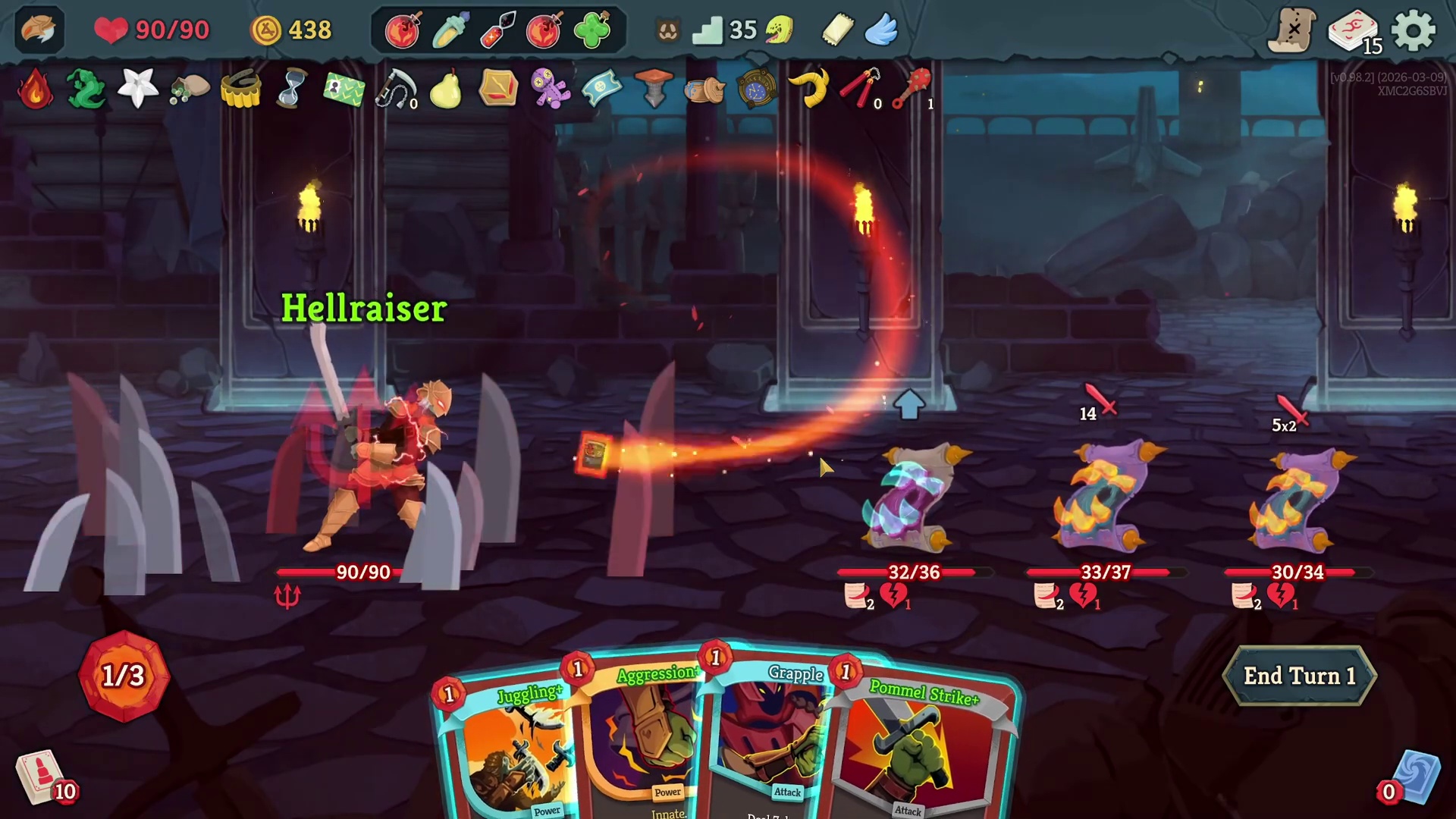
- List the required cards and relics before showing the payoff.
- Record which enemies or bosses punish the setup turn.
- Label fragile combo routes separately from stable starter advice.
Patch-era Ironclad assumptions
Ironclad advice needs an extra pass whenever the current card pool changes old habits. Tier-board footage can show which familiar picks are moving, but the page should translate that movement into draft rules: what the deck needed before the card became good, which enemy window punished the old line, and whether the same rule applies outside the showcased run.
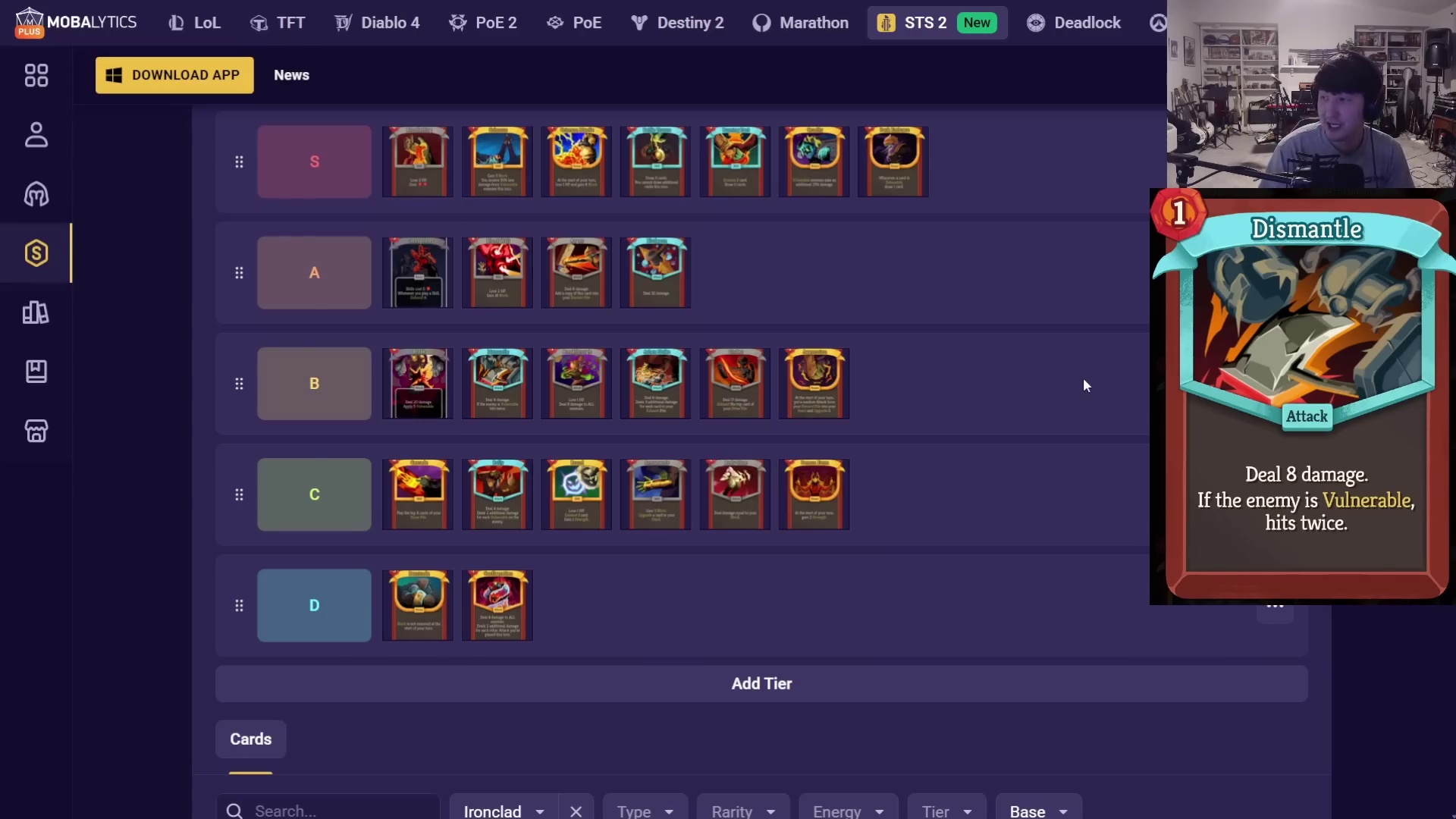
- Flag cards whose sequel value differs from returning-player memory.
- Use combat footage to confirm whether a tier-board move survives real pressure.
- Route build-specific cards into Ironclad notes only after payoff and delivery are visible.
Card-review videos become pick rules
Every-card reviews are useful for Ironclad only when they become simple pick rules. A returning player does not need a memorized grade for every card on day one; they need to know whether the card solves early damage, creates real block, improves draw, or asks for support the deck does not have yet.
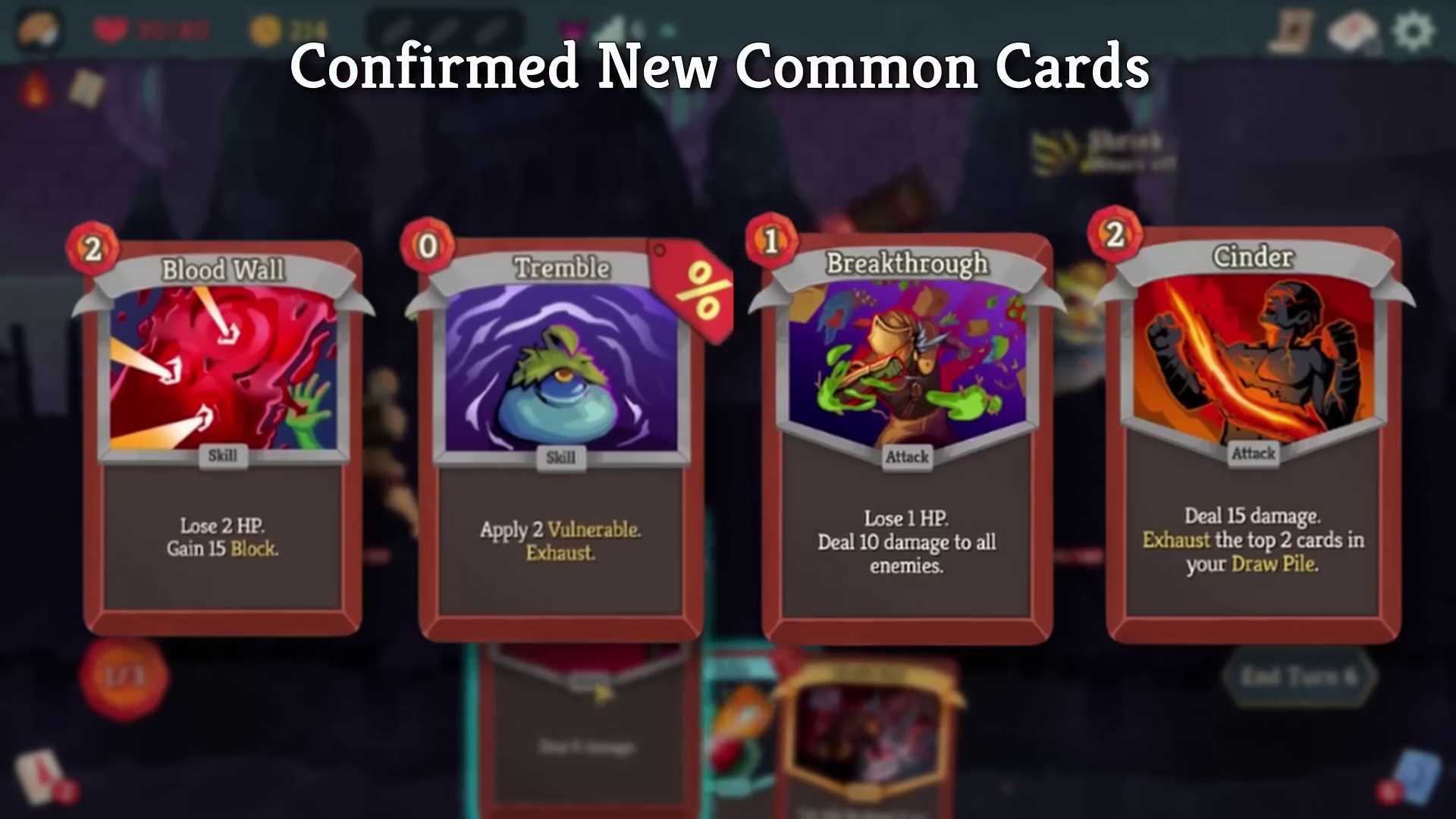
- Write one practical reason before assigning a card to a tier.
- Separate cards that are good immediately from cards that need a package.
- Use revealed-card reviews as low-confidence notes until live run footage confirms them.
Full-run footage proves whether the advice survives
A full Ironclad run is the best check against over-clean theory. If a card looked good in a review but the run skipped it, upgraded something else, or spent gold on defense instead, that is useful evidence. The page should use full runs to test whether the written advice survives awkward rewards, bad draws, and boss pressure.
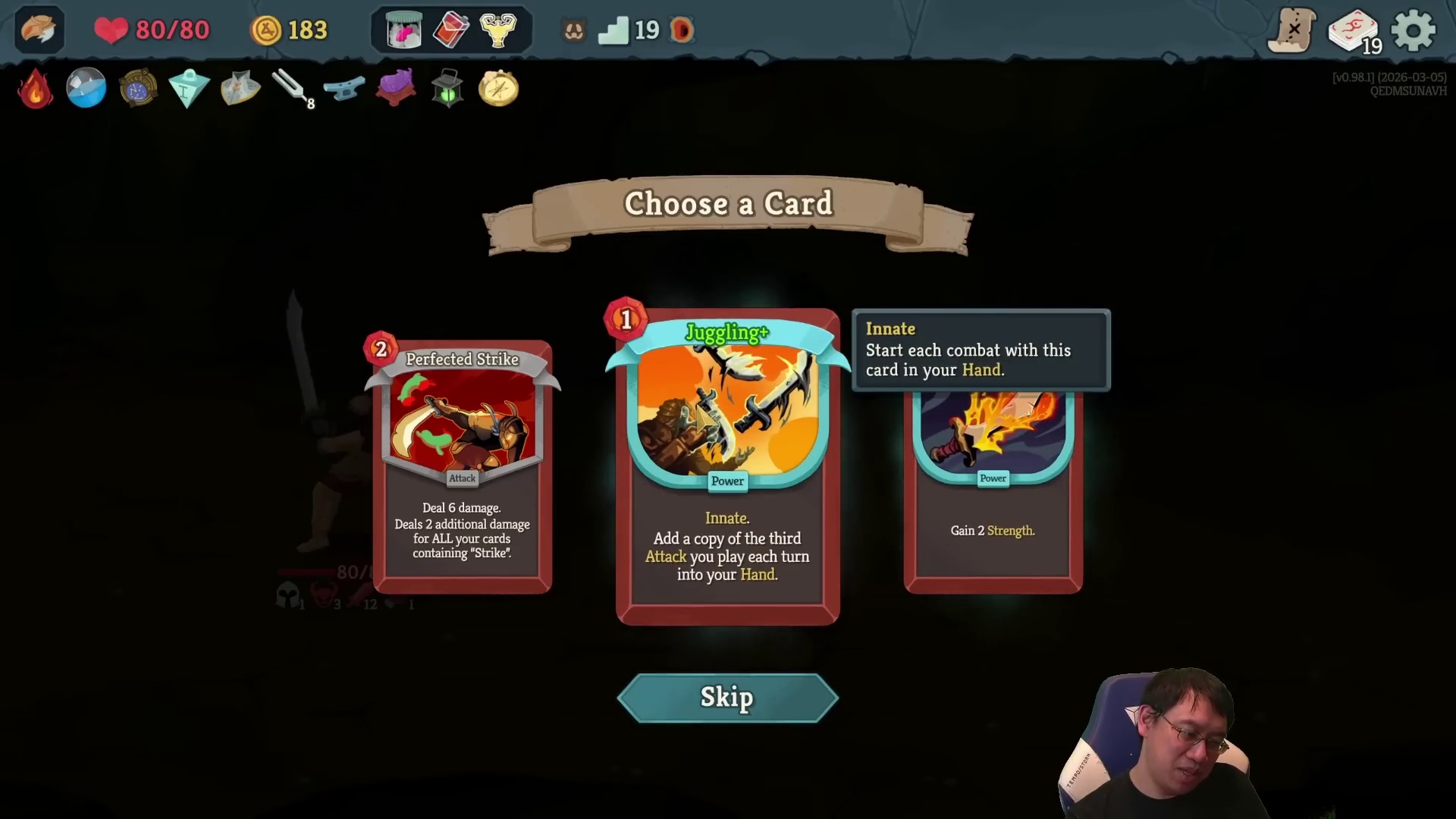
- Compare card-review claims against reward screens from real runs.
- Record when pathing, HP, or boss pressure makes a theoretically strong card wrong.
- Promote advice only when it appears in more than one kind of Ironclad run.
Long shows belong in a source archive first
Long card-review and challenge-run shows are valuable, but they should enter the site as a source archive before they rewrite the guide. Pull timestamps for card reviews, co-op discussion, and challenge segments separately, then connect each useful moment to the page it actually supports.
- Split long shows into card-review, run-review, and challenge-run evidence.
- Do not treat a long discussion segment as current advice without a clear timestamp.
- Use the source archive to collect future screenshots and transcript notes.
When the build is real
An Ironclad build becomes real when the deck has both payoff and delivery. Strength without enough attacks is slow. Exhaust without draw or reward can shrink the deck into nothing useful. Block without a conversion plan can survive without winning. Before calling a deck a build, check whether it has a way to start, survive, and finish.
- Payoff: the card or relic that makes the plan worth leaning into.
- Delivery: enough draw, energy, and cheap actions to find the payoff.
- Finish: a way to convert scaling or block into a boss kill.